Cast your mind back to 2007.
How different was the world?
The iPhone had just been unveiled; Facebook was still just a baby - and the idea of staging a business meeting over a video screen still seemed like science fiction.
And the workplace was completely different.
The office was somewhat joyless.
Typically, they were a dull space where you turned up to a desk, made a few trips to the kitchen, then headed home.
Air conditioning was a rarity, and forget the idea of forking out on a Costa from round the corner - office coffee was an industrial tub of Nescafé Gold Blend (at best).
How things have changed.
Since then, the office has evolved; Hybrid working, video conferencing - and even the chance to bring your dog in.
That's at least the case at Pioneer Court, which opened in 2007 and has led the charge when it comes to change in the Darlington and North East office landscape.
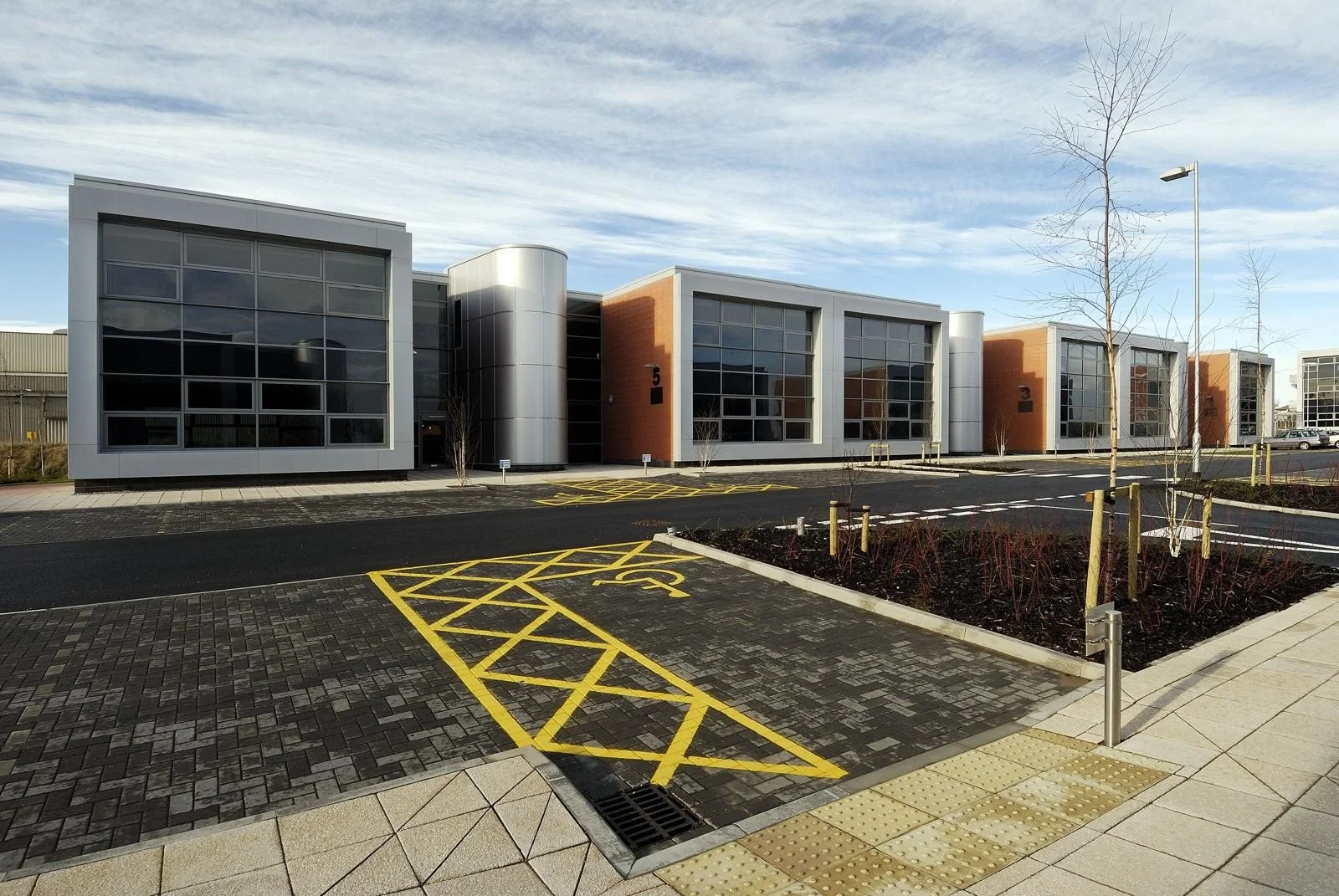
Opened at Morton Palms Business Park 20 years ago, the development has witnessed some seismic changes in how businesses operate, what employees expect and, perhaps most importantly, what makes an office worth having in the first place.
So, just how much has changed?
Perhaps the biggest change has been the actual need for offices.
In 2007, having an office open at least five days a week seemed almost mandatory.
It was just how business was done back then.
Staff arrived and for around 40 hours per week, that’s where they worked.
If you wanted to chat, you walked to your colleague's desk. Need a meeting? Book a room.
And while tech was changing fast, Skype had only launched peer-to-peer video calling in the year prior - while Facetime was still three years away.
It wasn’t until 2020, when the Covid pandemic changed how we work, that the office opened more of the world to remote working.
Suddenly, Microsoft Teams and Zoom became just as essential to a business as the printer.
Yet while around one in eight UK staff now work fully remote., the vast majority do still come to the office.
But crucially, not every day,
And that's where Pioneer Court has taken a lead.
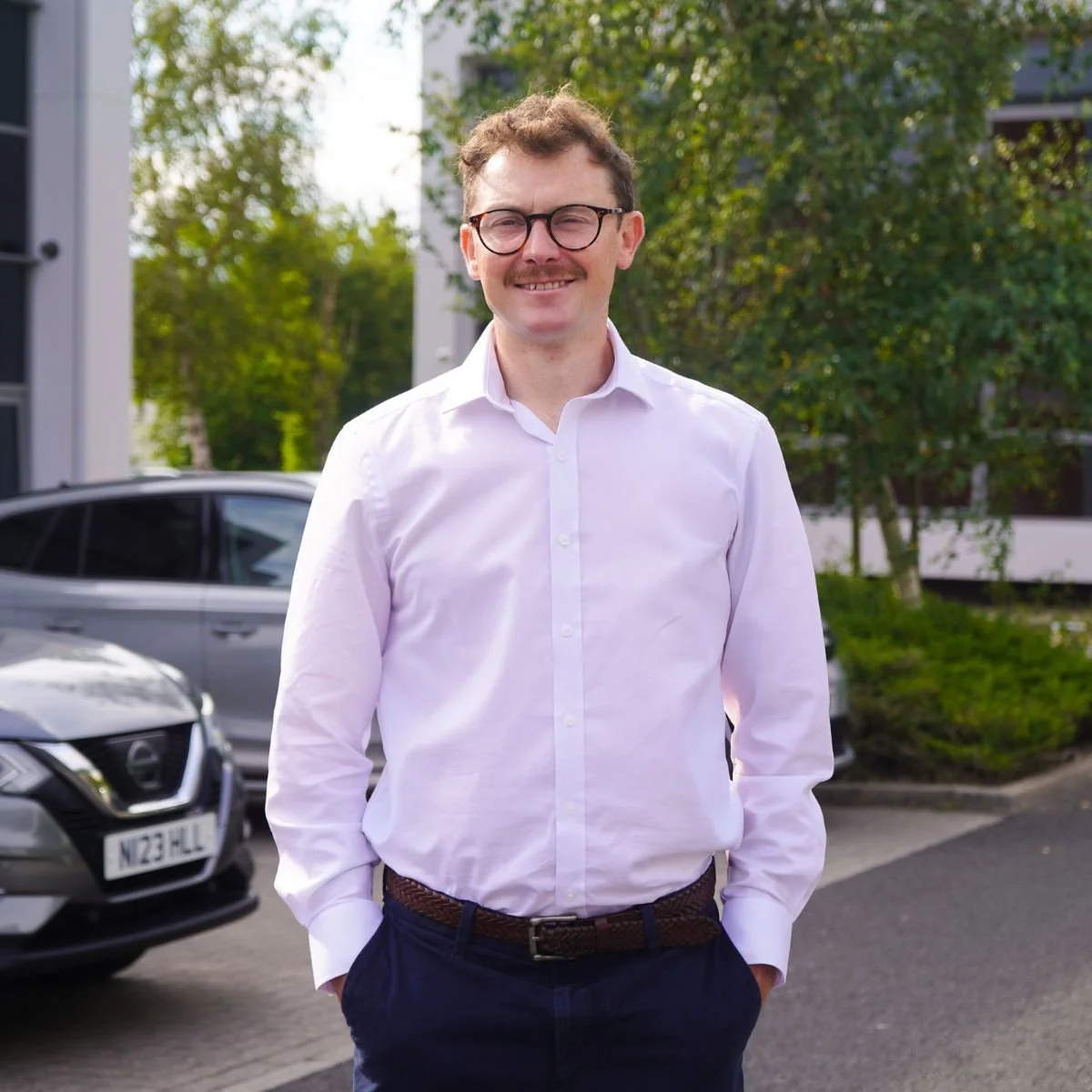
"Many of our tenants use their space as a base, more than an office," said Pioneer Court's property manager, Stuart Keegan.
"We have clients who sometimes don't have any staff in, but the option is always there. Alternatively, we have tenants who maybe use the use it for a few days a week or have rotating staff who dip in and out.
"The office is no longer the only place to work, but having that flexibility is a fantastic asset to offer staff.
"Sometimes they don't want, need or can be at the office for eight hours a day and that's reflected in how they are used. We accommodate that and work with clients around their business needs."
That flexibility extends beyond the traditional working week, too.
Compared with 20 years ago, Pioneer Court now accommodates businesses that need their offices to operate around the clock, with some tenants working 24/7 or operating across international time zones.
Perhaps the biggest change over the past two decades is that businesses are no longer simply looking for somewhere to put their employees.
They're looking for somewhere that adds value.
After all, if somebody can sit at a desk and answer emails from their spare bedroom, why should they spend an hour commuting to do exactly the same thing elsewhere?
It's a fair question.
And it's one that has forced office owners and businesses alike to rethink what workspace should offer.
But the office also has a role that goes beyond simply providing somewhere to work.
It's evolved into a place where businesses can bring their people together, reinforce their values and principles, build a shared culture and give employees a sense of belonging.
For Stuart, he sees the modern Darlington office as much more of a "meeting point" rather than somewhere for the 9-5 grind.
"Some of our clients have staff dotted around, so what they need is somewhere central where they can convene," he added.
That's where Pioneer Court holds the aces when it comes to North East offices.
A short drive from both Teesside Airport and Darlington Railway Station - on the East Coast Mainline - it provides some tenants with what Stuart calls a "northern hub".
It's also an increasingly attractive example of what's sometimes described as 'north-shoring' - giving businesses a central Northern base from which to bring teams together, without the costs associated with a major city location.
"If you are a big business that needs a Northern office, not for daily use, but somewhere where you can easily convene or have staff work out of if they are in the North of England, it is genuinely perfect," he said.
"It is arguably better connected to the likes of London than any other Northern city or town - certainly Manchester, Leeds or Newcastle - but you are paying a fraction of the rental costs of an office in a major city like those."
But as much as anything, how the office has changed in that time is reflected in those using it.
Law firms, accountants, SMEs - they all just still need an office.
But the range of businesses has become far more eclectic.
These days, Pioneer Court houses everything from air ambulance operators to dentists.

And as the clients have changed, so has the space itself.
Twenty years ago, the traditional office layout was relatively straightforward. A reception, a few private offices, rows of desks and perhaps a meeting room.
Oh, and a fax machine.
Today, businesses want something much more adaptable.
Some need open-plan collaborative environments. Others want private offices, dedicated meeting areas or specialist facilities that require substantial alterations.
And there is also a growing understanding that the physical environment can influence how people interact.
Different types of meeting rooms, informal seating areas and collaborative spaces all encourage different types of conversations - be it a formal client meeting, a creative brainstorming session or simply a chit-chat between colleagues.
And there's greater demand for freedom to create something that reflects their own business rather than simply accepting whatever layout happens to be there.
That's something Pioneer Court's design has helped facilitate.
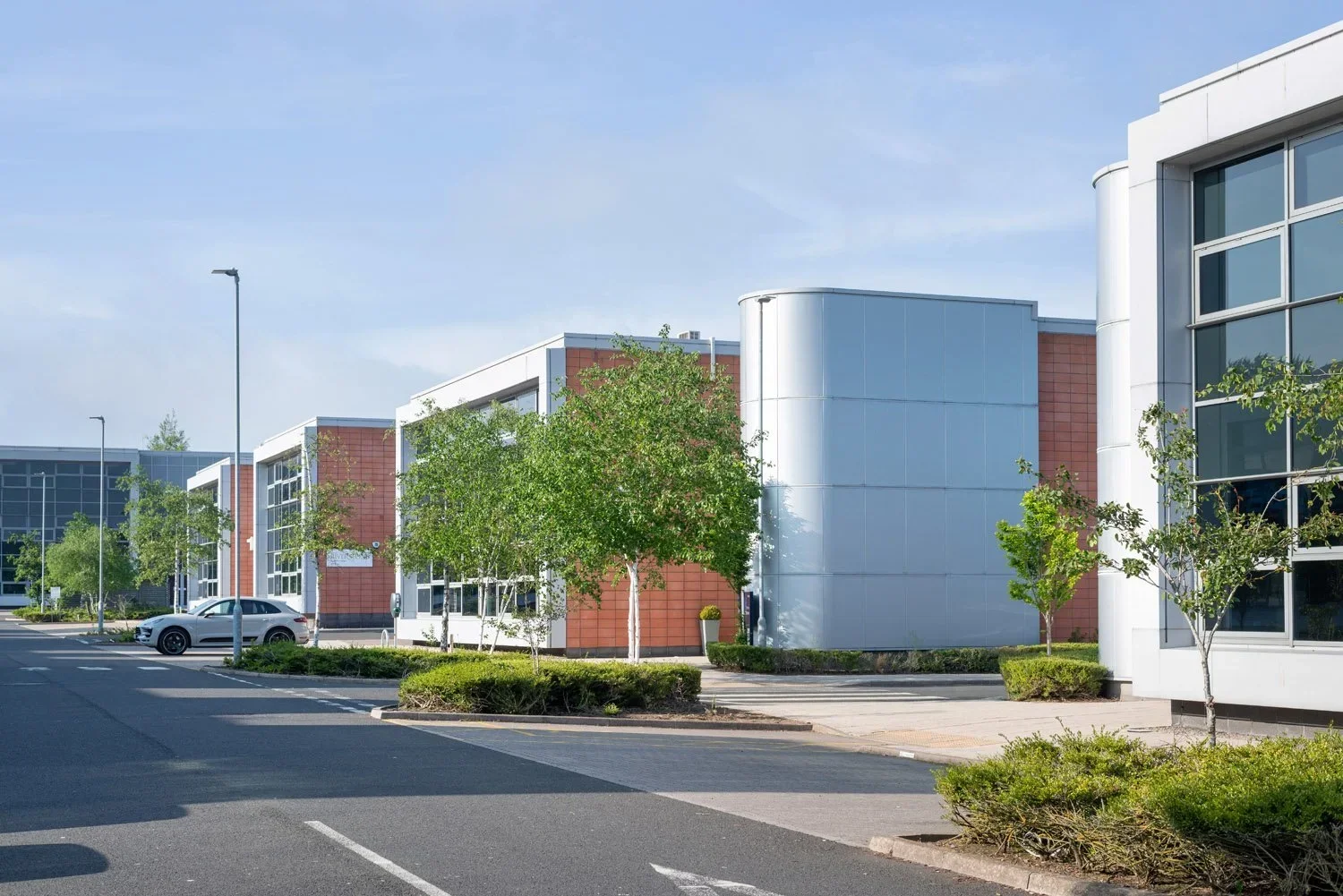
Its raised access floors and accessible service voids give businesses greater flexibility when configuring their space, while its Grade A offices provide a blank canvas for occupiers to it make their own.
In fact, that flexibility has allowed businesses to think well beyond the traditional office.
One particularly interesting example is 21D - the dental implant provider - a national chain specialising in full-mouth restoration treatment.
They operate a clinic that's a specialist dental implant facility, focused on full-mouth restoration treatments, with a dedicated treatment theatre and patient rest areas - a far cry from the conventional office environment.
The firm's office at Pioneer Court was transformed with contractors able to use the building's 300mm floor void to accommodate pipework, suction lines and air feeds.
Managing Director of Joint Venture Contracts, Mark Haywood, who oversaw the fit-out, described Pioneer Court as exceptionally easy to adapt.
“I’ve rarely seen an office space that accommodates specialised medical services this easily,” said Mark who has almost 30 years’ experience fitting out commercial spaces, from bars and shops to offices.
It's perhaps not what you'd expect from a traditional office development.
But then, that's the point.
The modern workspace doesn't have to look or function like an office used to.
But one thing that has never changed in the past two decades is location.
In fact, the rise of hybrid working has arguably made accessibility even more significant.
If employees are only travelling into the office two or three days a week, businesses want those journeys to be as straightforward as possible.
Nobody wants to spend half their morning crawling through traffic or circling a multi-storey car park looking for a space.
And this is where the business park model has really come into its own.
Pioneer Court offers ample on-site parking, easy access to the A66 and A1(M), and is just minutes from Darlington town centre.
Darlington railway station also provides excellent connections across the UK, making the town an attractive option for businesses with employees and clients travelling from further afield.
And with EV charging compatibility, the development is also geared towards changing transport habits.
"Twenty years ago, electric vehicle charging wasn't something most businesses would have considered when choosing an office," added Stuart.
"But everything changes. The idea of bringing your dog to work 20 years ago would have probably cost you your job - but we openly welcome it because that is what clients want.
"Our job at Pioneer Job is to provide a clean, affordable and well-located functional office space. How the client wants to adapt it and utilise it is their decision."
However, if the past two decades have taught us anything, it's that predicting the future of work is a fairly thankless task.
Few people in 2007 could have imagined how dramatically technology, a global pandemic and changing employee expectations would reshape the office market.
And who knows what the next 20 years will bring?
AI, further advances in remote working and changing attitudes towards the traditional working week will undoubtedly play their part.
But one thing seems fairly certain: businesses will always need somewhere to bring people together.
For Pioneer Court, the challenge has never been about trying to turn back the clock.
It's about recognising that businesses and people evolve - and their workspace needs to evolve with them.
"Businesses seeking office space in Darlington can be small or established, local or national, office-based or hybrid," added Stuart.
"Our offices have something for everyone, and they can be adapted around different business needs.
Twenty years ago, an office was somewhere you went to work – these days, it's somewhere that needs to make working better.